How prepared would you be if an emergency happened today?
Most people understand that being prepared is important, but there are plenty of misconceptions about what emergency preparedness actually requires. You don’t need an underground bunker, a year’s supply of food, or a closet full of expensive equipment.
Sometimes, being prepared simply means knowing what to do.
Let’s take a look at some common emergency preparedness myths—and the facts behind them.
Myth #1: “Emergencies probably won’t happen to me.”
Fact: Emergencies can happen anywhere and to anyone.
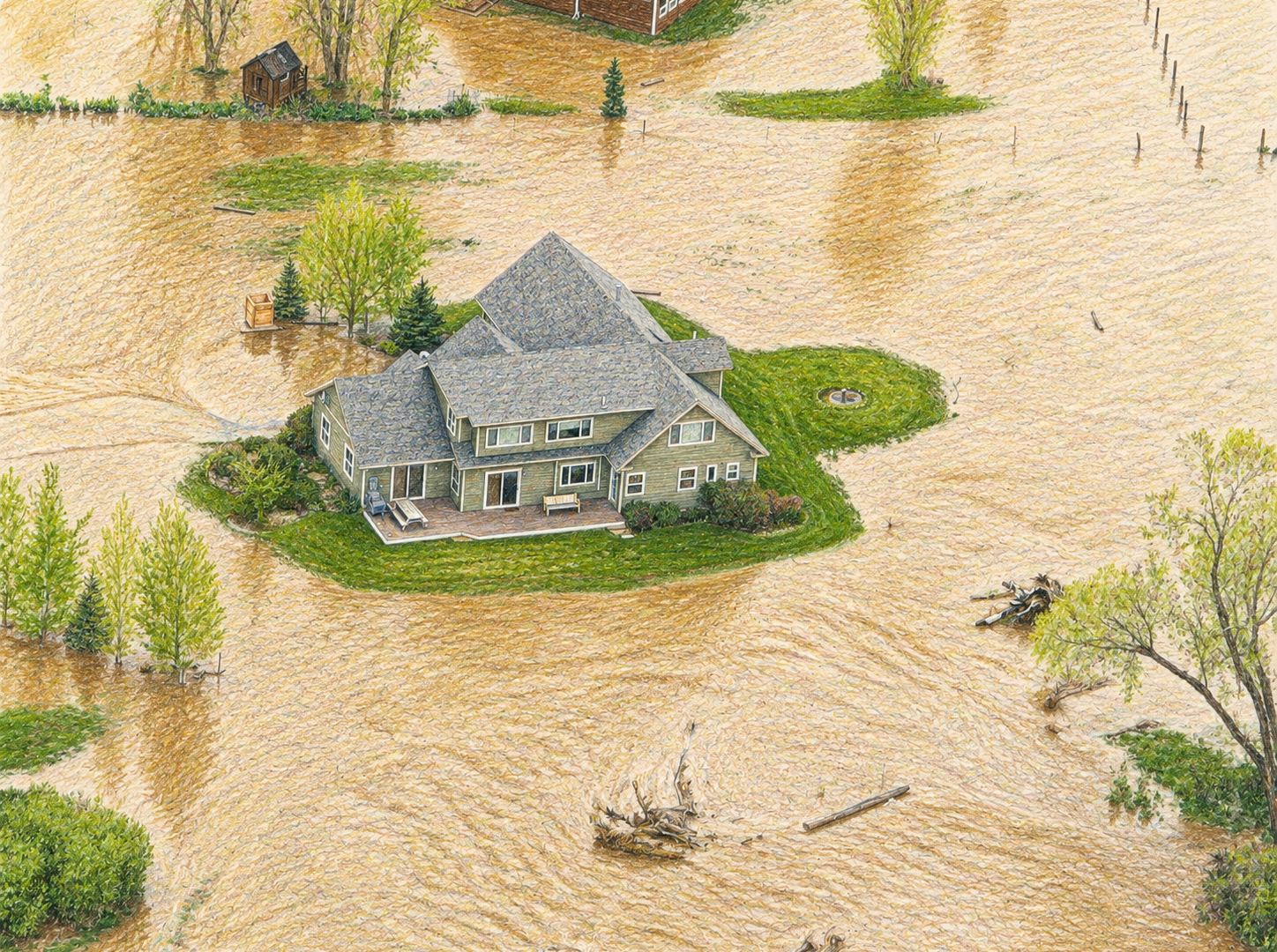
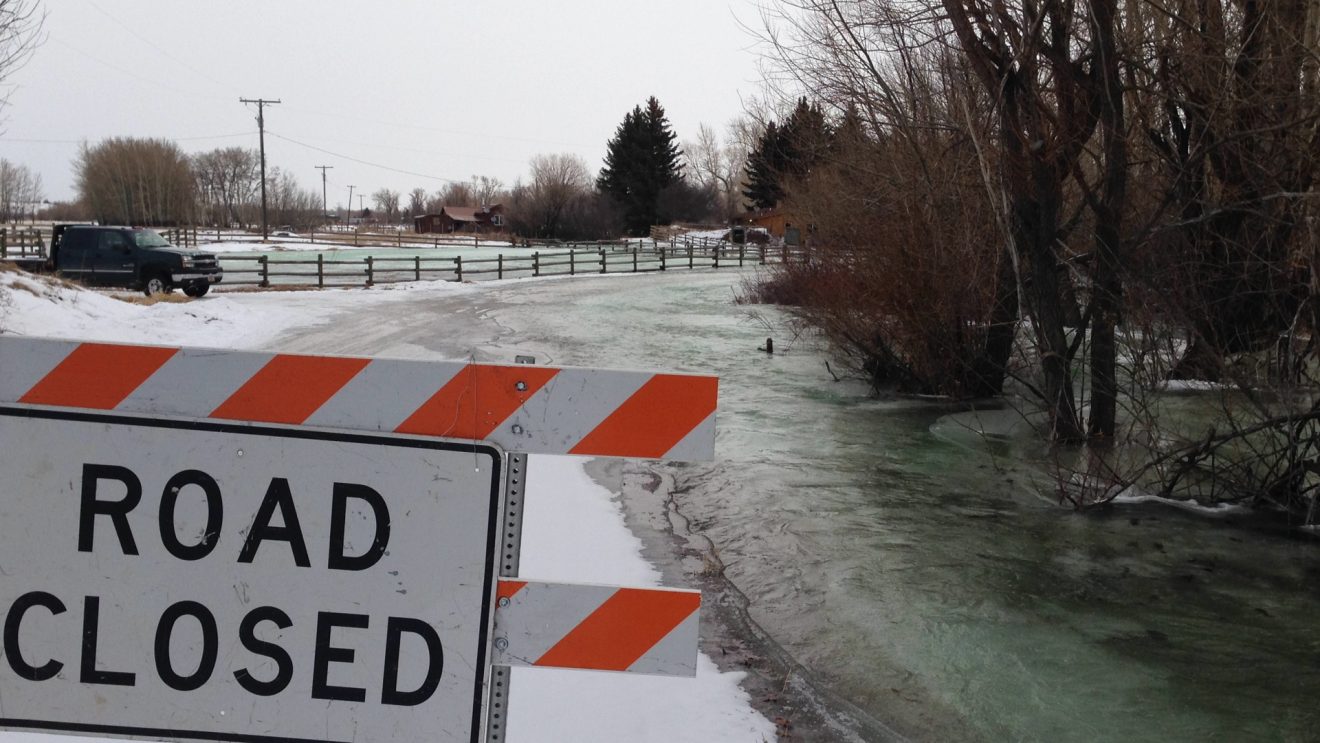
Wildfires, winter storms, power outages, floods, severe weather, earthquakes, and other hazards can affect communities with little warning.
You don’t have to expect a disaster every day. You simply need to recognize that having a plan can make an unexpected situation easier to manage.
Myth #2: “I have everything I need because I have a smartphone.”
Fact: Your phone is an important preparedness tool, but it shouldn’t be your only one.
A phone can provide access to emergency alerts, weather information, maps, news, and communication. But cell networks can become congested or unavailable during emergencies, and batteries don’t last forever.
Consider having backup options such as:
- A battery-powered or hand-crank radio
- Portable battery packs
- Flashlights
- Extra batteries
- Printed emergency contact information
- Paper maps
Myth #3: “I only need enough supplies for 72 hours.”
Fact: A 72-hour kit is a useful starting point, but circumstances can vary.
Some emergencies may be resolved quickly. Others may disrupt power, transportation, communications, or access to stores for longer periods.
Build a basic emergency kit first, then gradually add supplies as you are able.
Think about having enough food, water, medications, and other essential supplies to get through an extended disruption.

Myth #4: “Emergency responders will come immediately if I need help.”
Fact: Emergency responders will work to assist people during disasters, but widespread emergencies can create many simultaneous demands.
Road closures, hazardous conditions, damaged infrastructure, or a large number of calls for assistance can affect response times.
Your own preparedness can help you safely manage the initial period of an emergency while responders address the most urgent needs.
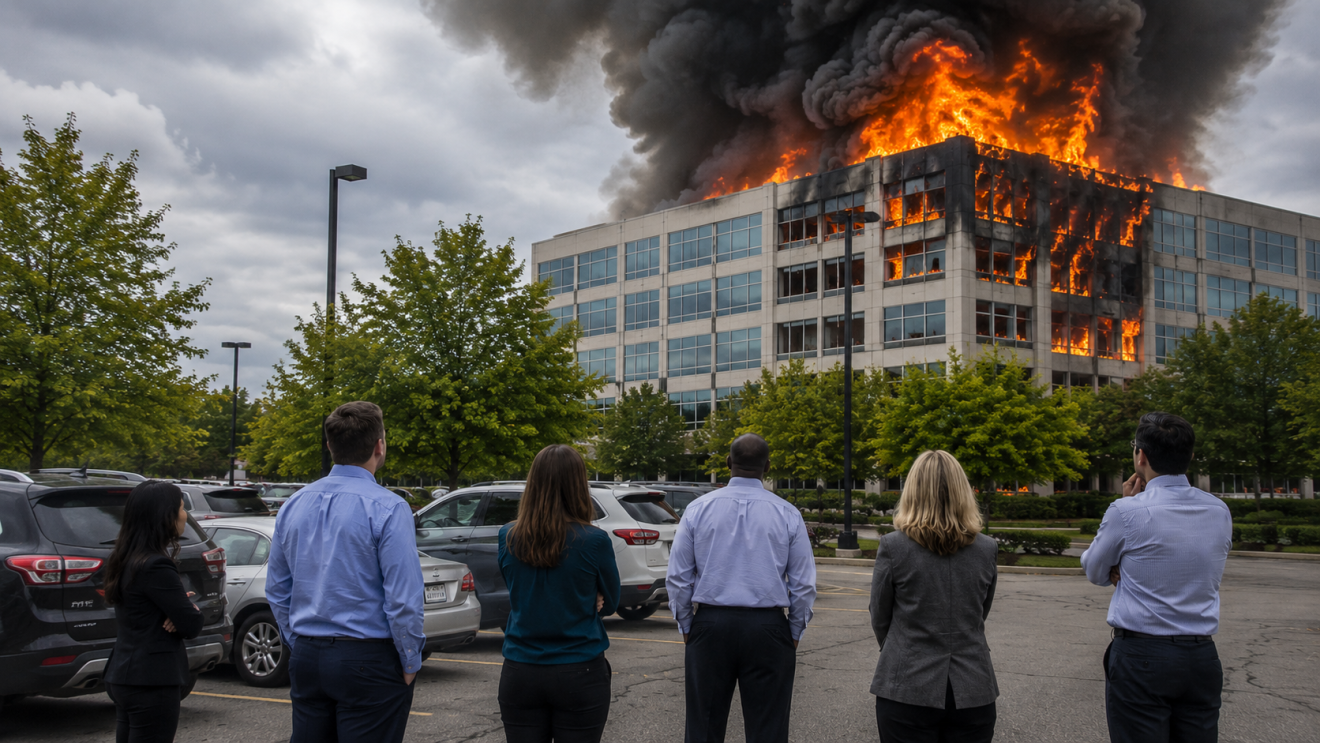
Myth #5: “If there’s a wildfire nearby, I’ll have plenty of time to leave.”
Fact: Wildfires can change rapidly, and evacuation decisions may sometimes need to happen quickly.
Don’t wait until you can see flames or smoke at your home before thinking about evacuation.
Know your evacuation routes, have your vehicle fueled, keep important items accessible, and make arrangements for children, pets, livestock, medications, and anyone who may need additional assistance.
Myth #6: “I’ll remember what to do during an emergency.”
Fact: Stress can make it harder to think clearly and remember information.
That’s why practicing your emergency plan is valuable.
Know:
- Where you will go
- How you will communicate
- What route you will take
- Where your emergency supplies are located
- Who will pick up children
- How you will evacuate pets
- How you will receive emergency information
The more familiar your plan is, the easier it may be to put it into action.

Myth #7: “I don’t need to prepare because my neighbors will help me.”
Fact: Neighbors can be an important part of emergency preparedness—but they should be part of your plan, not your entire plan.
Get to know your neighbors and consider how you could help one another.
At the same time, make sure your household has its own supplies and emergency plan.
Prepared communities are built from prepared households.
Myth #8: “Emergency preparedness is expensive.”
Fact: You can start preparing without spending much money.
Look around your home.
You may already have many useful items:
- Blankets
- Water containers
- Canned food
- Flashlights
- First-aid supplies
- Battery chargers
- Work gloves
- Basic tools
Start with what you have and gradually fill the gaps in your emergency kit.
Preparedness doesn’t have to happen all at once.
Myth #9: “Emergency alerts are only for people who live in high-risk areas.”
Fact: Emergency alerts can provide important information to anyone who may be affected by an incident.
You could be at home, at work, traveling, visiting another part of the community, or simply passing through an affected area.
Make sure you know how you’ll receive emergency information and keep your contact information current with local notification systems.
Myth #10: “Being prepared means expecting the worst.”
Fact: Preparedness is about planning for the unexpected—not living in fear of it.
A good emergency plan can provide confidence and help you make decisions more calmly when something goes wrong.
You don’t have to prepare for every possible disaster.
Start with the hazards that are most relevant to where you live and the needs of your household.
The Bottom Line
Emergency preparedness doesn’t have to be complicated.
Start small:
Make a plan. Build a kit. Stay informed. Know your hazards. Practice what you’ll do.
You may never need to use everything in your emergency kit or put your entire emergency plan into action.
But if you do, you’ll be glad you prepared.