Overview
Air quality can affect everyone’s health, especially children, older adults, pregnant women, and people with asthma, heart disease, or other respiratory conditions. In Gallatin County, poor air quality is most commonly caused by wildfire smoke, but winter temperature inversions, dust, pollen, and other airborne pollutants can also reduce air quality.
Smoke and fine particulate matter can travel long distances and impact communities even when wildfires are many miles away. Understanding air quality conditions and taking appropriate precautions can help protect your health and reduce exposure to harmful pollutants.
Air Quality in Gallatin County
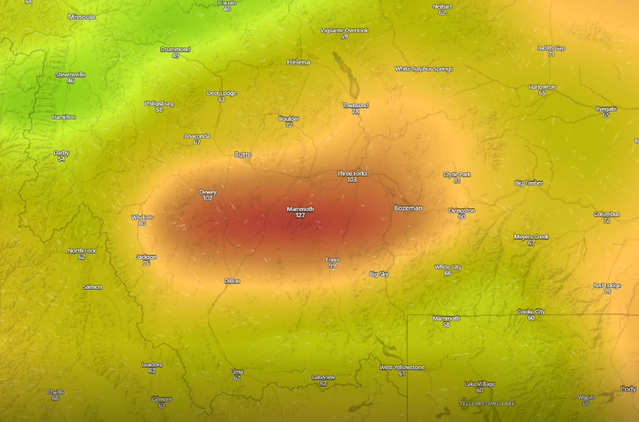
Gallatin County experiences periods of reduced air quality throughout the year. During the summer and fall, wildfire smoke from fires in Montana and neighboring states can create hazardous conditions. During the winter months, temperature inversions can trap pollutants near the ground, causing smoke from wood stoves, vehicle emissions, and other sources to accumulate in valley communities.
Air quality conditions can change rapidly depending on weather patterns, wind direction, and wildfire activity. Residents are encouraged to monitor local air quality conditions and follow public health recommendations when air quality reaches unhealthy levels.
Health Impacts
Poor air quality can cause a variety of symptoms, including:
- Coughing or throat irritation
- Shortness of breath
- Difficulty exercising outdoors
- Eye, nose, and throat irritation
- Headaches
- Increased asthma symptoms
- Reduced lung function
Individuals with heart or lung conditions may experience more serious health effects and should take extra precautions during periods of poor air quality.
Air Quality Index (AQI)
The Air Quality Index (AQI) is a tool used to communicate how clean or polluted the air is and what associated health effects may be a concern.
AQI Categories
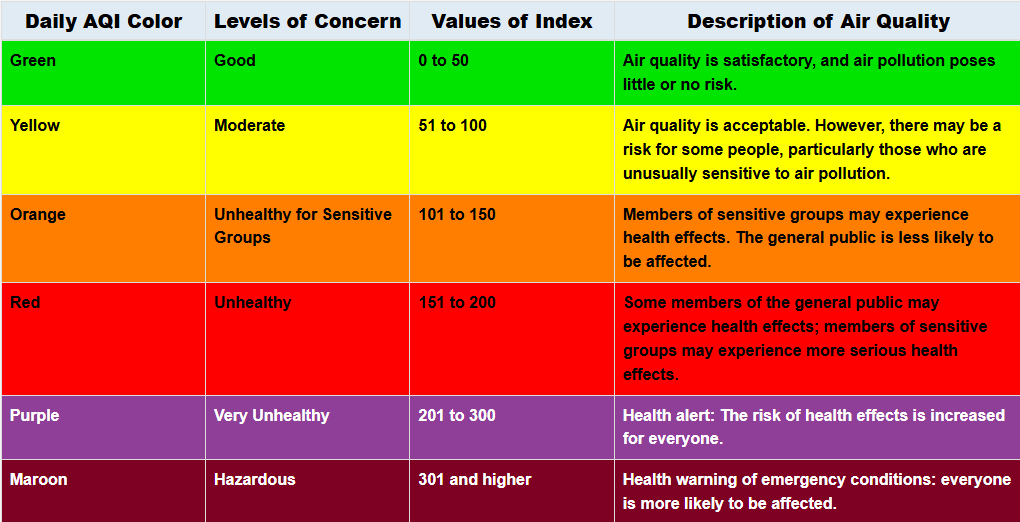
| AQI Range | Category | Health Guidance |
|---|---|---|
| 0-50 | Good | Air quality is satisfactory. |
| 51-100 | Moderate | Acceptable for most people. |
| 101-150 | Unhealthy for Sensitive Groups | Sensitive individuals should reduce prolonged outdoor activity. |
| 151-200 | Unhealthy | Everyone should limit prolonged outdoor exposure. |
| 201-300 | Very Unhealthy | Health alert conditions. Outdoor activity should be minimized. |
| 301+ | Hazardous | Emergency conditions affecting the entire population. |
Current Conditions
Ventusky
Purple Air
Montana DEQ
How to Prepare Yourself
When air quality is poor:
- Stay indoors with doors and windows closed.
- Use air conditioning or filtration systems if available.
- Avoid strenuous outdoor activities.
- Create a “clean air room” with a portable HEPA air cleaner.
- Follow your healthcare provider’s recommendations if you have respiratory or heart conditions.
- Consider using a properly fitted N95 respirator when outdoor exposure cannot be avoided.
- Check on family members, neighbors, and others who may be vulnerable to smoke exposure.
Before Wildfire Smoke Impacts Your Area
Prepare before smoke arrives by:
- Purchasing replacement air filters for your home HVAC system.
- Identifying a room that can be cleaned and filtered during smoke events.
- Maintaining a supply of medications and medical equipment.
- Monitoring wildfire activity and local air quality reports.
- Developing a plan for family members with respiratory sensitivities.