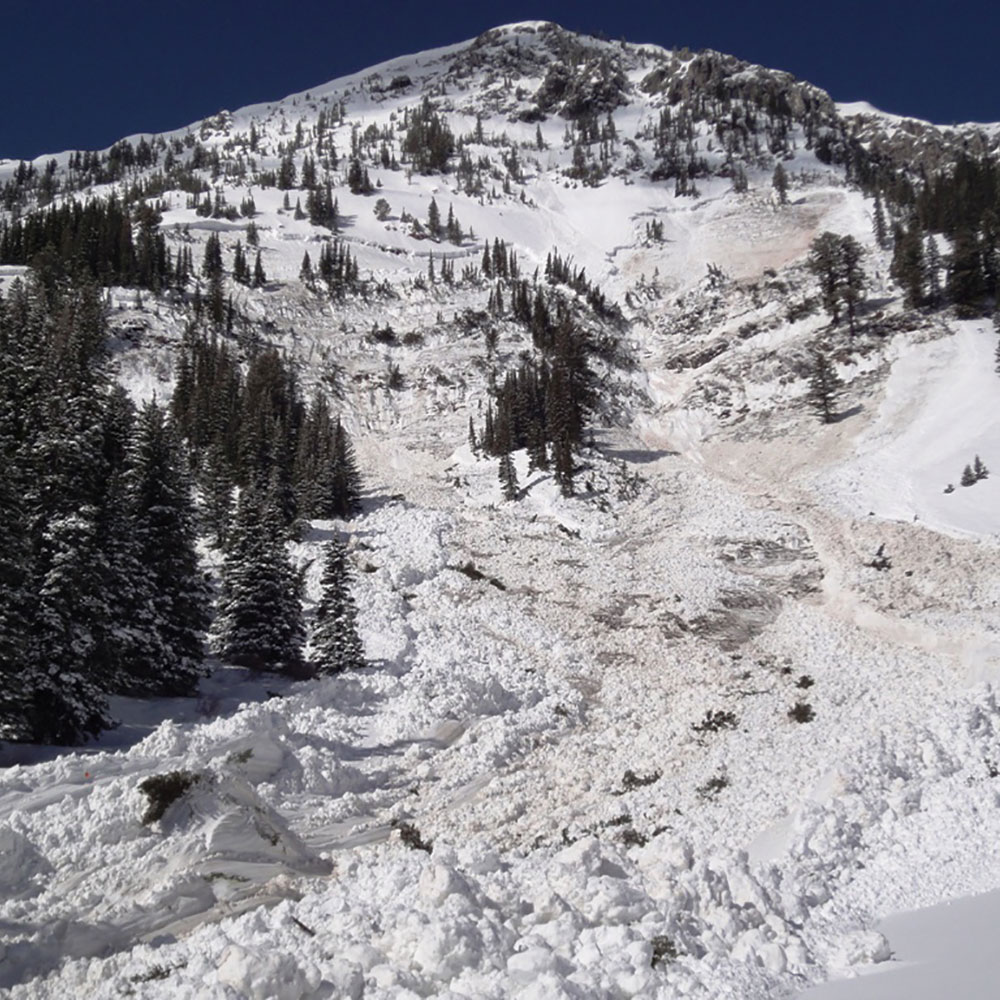
As the days grow shorter and temperatures begin to drop, now is the time to prepare for winter weather. Snowstorms, extreme cold, strong winds, and power outages can affect travel, daily routines, and access to essential services. Taking a few simple steps today can help keep your family safe and comfortable throughout the winter season.
November is recognized by FEMA’s preparedness calendar as a time to focus on winter readiness and winter weather safety.
Know the Risks
Winter weather in southwest Montana can arrive quickly and create hazardous conditions with little warning. Heavy snowfall, blowing snow, freezing rain, and dangerously cold temperatures can make travel difficult and increase the risk of power outages. Even a routine trip across town can become dangerous if you are not prepared.
Monitor forecasts and weather alerts throughout the winter season. Understanding the difference between a Winter Storm Watch, Winter Storm Warning, and Blizzard Warning can help you make informed decisions before conditions worsen.
| Warning | A warning is issued when a hazardous weather or hydrologic event is occurring, imminent or likely. A warning means weather conditions pose a threat to life or property. People in the path of the storm need to take protective action. |
| Advisory | An advisory is issued when a hazardous weather or hydrologic event is occurring, imminent or likely. Advisories are for less serious conditions than warnings, that cause significant inconvenience and if caution is not exercised, could lead to situations that may threaten life or property. |
| Watch | A watch is used when the risk of a hazardous weather or hydrologic event has increased significantly, but its occurrence, location or timing is still uncertain. It is intended to provide enough lead time so those who need to set their plans in motion can do so. A watch means that hazardous weather is possible. People should have a plan of action in case a storm threatens and they should listen for later information and possible warnings especially when planning travel or outdoor activities. |
Build or Refresh Your Emergency Kit
Every household should have an emergency supply kit capable of supporting family members for several days if roads become impassable or utilities are disrupted.
Consider including:
- Water and non-perishable food
- Flashlights and extra batteries
- Portable phone chargers
- Prescription medications
- First aid supplies
- Blankets and warm clothing
- Pet food and pet supplies
- Battery-powered or hand-crank weather radio
- Important documents stored in a waterproof container
Check expiration dates and replace used or outdated items before winter arrives.
Prepare Your Vehicle
Winter travel conditions can change rapidly. A vehicle emergency kit can make a significant difference if you become stranded.
Your vehicle kit should include:
- Blankets or sleeping bags
- Extra hats, gloves, and warm clothing
- Ice scraper and snow brush
- Jumper cables
- Flashlight
- Traction aids such as sand or cat litter
- Water and snacks
- Portable phone charger
Before winter, have your vehicle inspected and ensure tires, battery, windshield wipers, antifreeze, and heating systems are in good condition.
Protect Your Home
A few preventive measures can help reduce winter-related damage and improve safety.
Consider:
- Servicing furnaces and heating systems
- Cleaning chimneys and vents
- Testing smoke and carbon monoxide alarms
- Insulating exposed pipes
- Sealing drafts around windows and doors
- Trimming tree branches that could fall during snow or wind events
If you use space heaters, keep them at least three feet from anything that can burn and never leave them unattended.
Prepare for Power Outages
Winter storms can sometimes interrupt electrical service. Planning ahead can reduce stress and improve safety during an outage.
Ask yourself:
- Do you have enough food and water for several days?
- How will you charge phones and devices?
- Do you know how to safely heat your home if power is lost?
- Do you have flashlights available in key locations?
Never operate generators indoors or in garages. Generators produce carbon monoxide, an odorless gas that can be deadly.
Don’t Forget Your Pets and Livestock
Winter preparedness extends beyond your household.
Make sure pets have:
- Adequate shelter
- Access to unfrozen water
- Emergency food supplies
- Identification and current contact information
Livestock owners should review feed supplies, water availability, shelter options, and contingency plans for severe weather events.
Check on Neighbors
Strong communities are more resilient during emergencies. Winter can be especially challenging for older adults, individuals with disabilities, and those living alone.
Consider checking on:
- Elderly neighbors
- Friends with mobility challenges
- New residents who may be unfamiliar with Montana winters
- Families experiencing heating or transportation difficulties
A simple phone call or visit can make a meaningful difference.
Make a Family Communication Plan
Winter storms may disrupt normal communications or travel plans. Take a few minutes to discuss:
- Emergency contacts
- Meeting locations
- School closure procedures
- Out-of-area contact persons
- Alternative communication methods
Knowing what to do before an emergency occurs helps reduce uncertainty when conditions deteriorate.
Start Preparing Today
Winter weather is a fact of life in Montana, but emergencies do not have to become disasters. By taking a few preparedness steps now, you can help protect your family, home, pets, and community throughout the winter season.
The best time to prepare for the next winter storm is before the first snowflake falls.
Ready today. Safe tomorrow.