Is Your Family Ready for an Emergency? A 30-Minute Preparedness Checkup
When disaster strikes, most families wish they had prepared just a little more. The good news is that emergency preparedness doesn’t have to take days of planning or hundreds of dollars in supplies. In fact, you can significantly improve your family’s readiness in just 30 minutes.
Think of this as a quick preparedness checkup. Set a timer, gather your household, and work through these simple steps.

Minute 1-5: Review How You’ll Receive Emergency Alerts
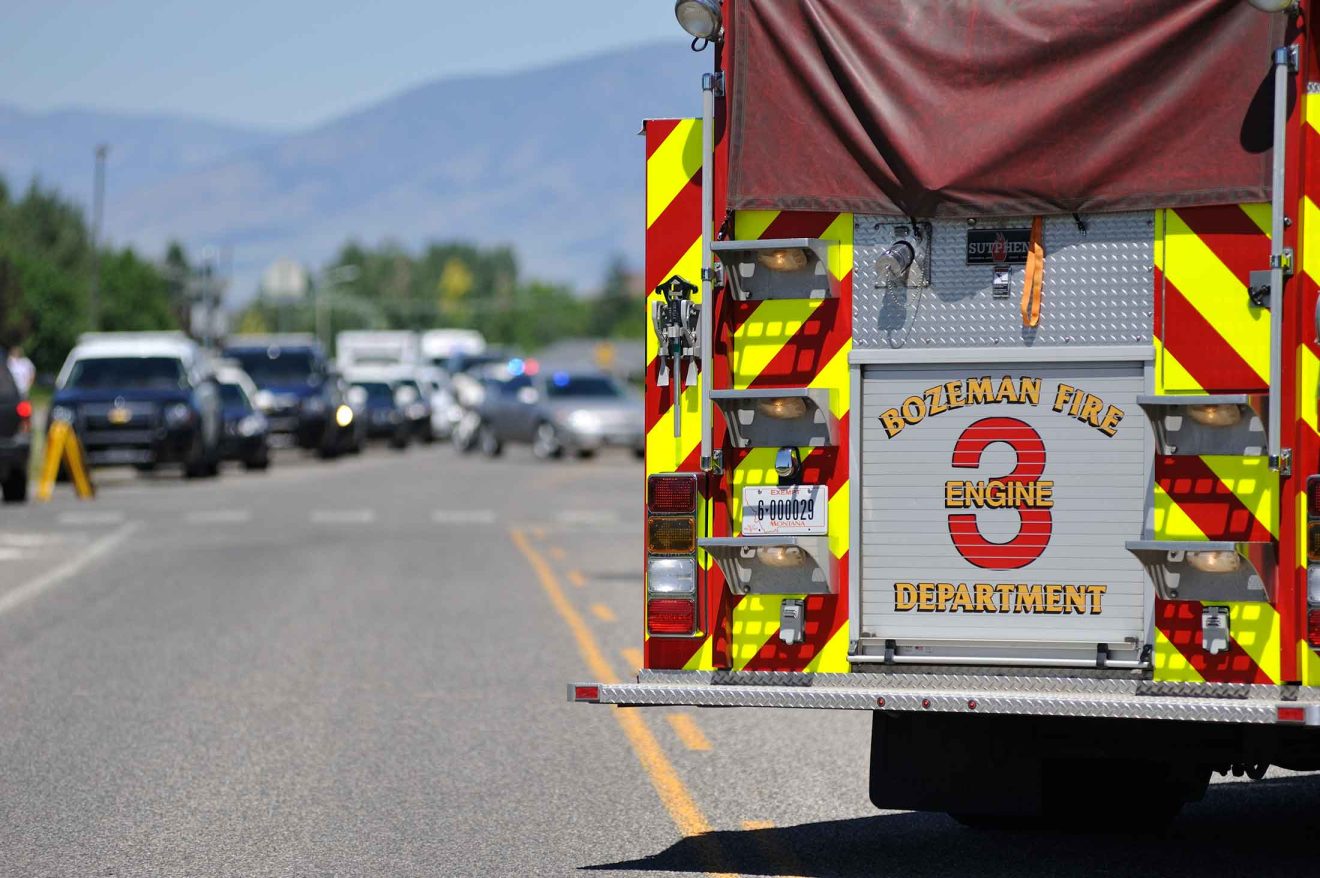
If an emergency occurs, timely information can help you make informed decisions and take protective actions.
Ask yourself:
- Are emergency alerts enabled on all family cell phones through the Community Notification System?
- Do you know where to find trusted local emergency information for the community you live in (Often official government social media sites are the first to be updated)?
- Do family members know where to get updates during a power outage?
Make sure everyone in your household knows how emergency information will be shared and where to find official updates.
Minute 6-10: Check Your Emergency Contacts
Many people rely on their phones to store important phone numbers. But what happens if your phone is lost, damaged, or out of power?
Take a few minutes to:
- Verify that contact information is current.
- Identify an out-of-area emergency contact who isn’t affected by a disaster here in Gallatin County. It’s often easier to communicate to an unaffected individual that communicate within the affected area.
- Write down important numbers and keep a hard copy in your emergency kit or wallet.
- Do you have a platform that doesn’t require your phone to communicate with.
Having a communication plan can help families reconnect when normal communication systems are disrupted.
Minute 11-15: Locate Critical Documents
During an evacuation or other emergency, you may only have a few minutes to leave.
Make sure you know where to find:
- Identification documents
- Insurance policies
- Medical information (prescriptions are hard to re-create in a hurry)
- Property records (can help prove residency)
- Emergency contact lists
Consider storing electronic copies in a secure cloud account and keeping paper copies in a waterproof container.
Minute 16-20: Inspect Your Emergency Supplies
You don’t need a warehouse full of supplies to be prepared.
Take a quick inventory of:
- Water
- Non-perishable food
- Flashlights
- Batteries
- Medications
- First aid supplies
- Pet supplies
Replace expired items and restock anything you’ve used. Even a basic kit can make a difficult situation more manageable.
Minute 21-25: Discuss Your Family Emergency Plan
A plan only works if everyone knows it.
Spend a few minutes reviewing:
- Two ways out of your home in case of fire.
- Safe meeting locations.
- Evacuation routes from your neighborhood.
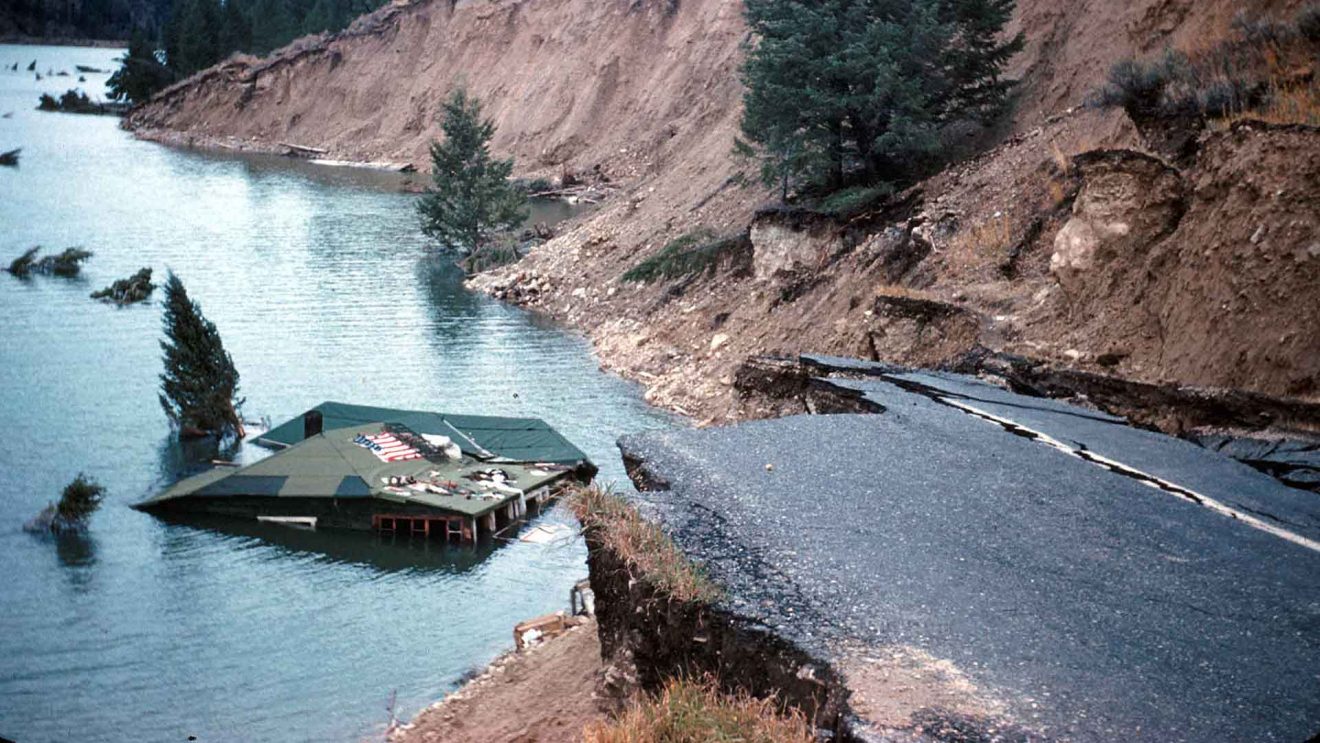
- How to shelter during severe weather or other emergencies.
- Responsibilities for children, older adults, and pets.
These conversations are especially important before wildfire season, winter storms, or other local hazards.
Minute 26-30: Identify One Improvement
Preparedness is not about perfection. It’s about making steady progress.
Choose one action your family can complete this week:
- Build or improve an emergency kit.
- Create a communication plan.
- Sign up for local emergency notifications.
- Prepare a go-bag.
- Make copies of important documents.
- Review insurance coverage.
Small actions today can make a big difference when an emergency occurs.

Preparedness Is a Habit, Not a One-Time Event
Emergencies often happen with little warning. The families who cope best are usually not the ones with the most supplies; they’re the ones who have taken time to think ahead, communicate, and practice their plans.
By spending just 30 minutes reviewing your preparedness, you’ve already taken an important step toward protecting yourself, your family, and your community.
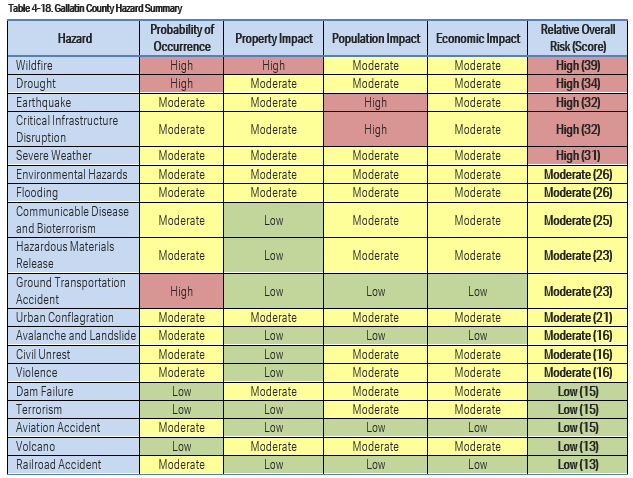
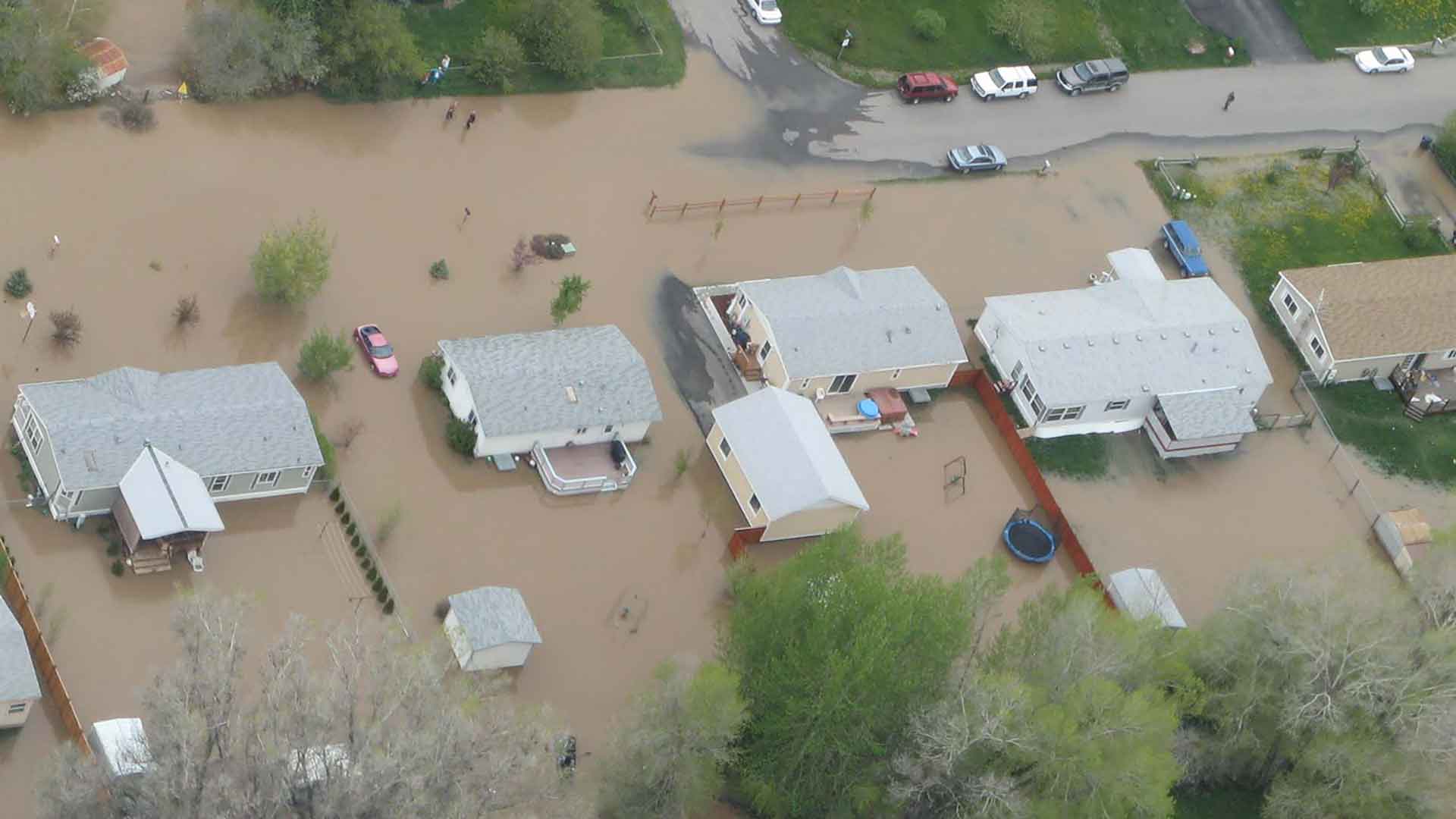
Don’t wait for the next wildfire, flood, severe storm, or power outage to find out what you’re missing. Take a preparedness checkup today and encourage friends, neighbors, and family members to do the same.
Challenge: Set a timer for 30 minutes this week and complete your family’s preparedness checkup. You may be surprised by how much peace of mind half an hour can provide